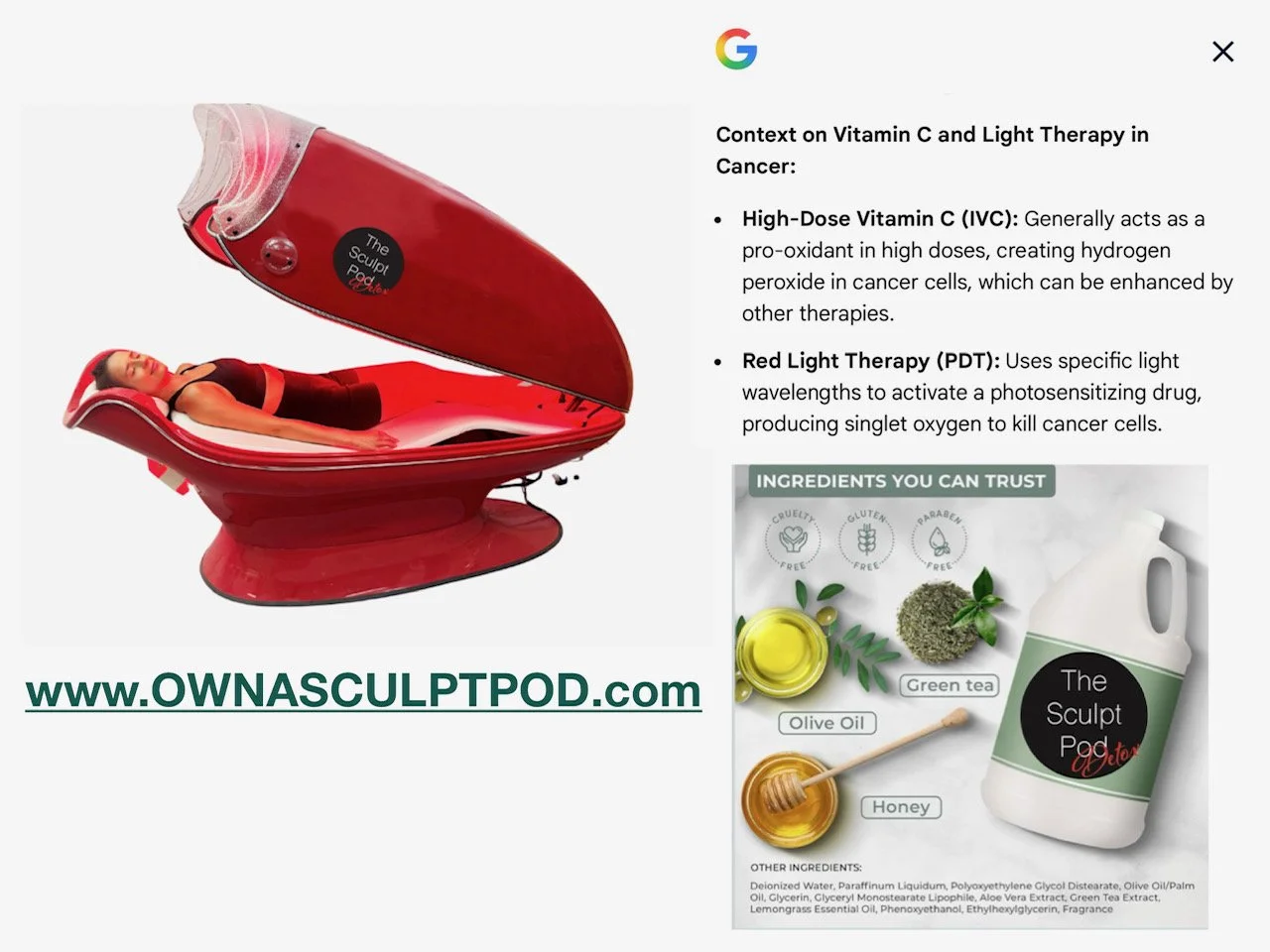
YUP! We’re the company that everyone else tries to copy! You heard it here first!
The Role of Lymphatic System-
Lymphatic drainage is essential for overall well-being. The immune system is tied to the lymphatic system. It protects your body against foreign invaders: The lymphatic system is part of the immune system. It produces and releases lymphocytes (white blood cells) and other immune cells that monitor and then destroy the foreign invaders — such as bacteria, viruses, parasites and fungi.
Lymph is filtered as it passes through lymph nodes. This process removes bacteria and viruses before the lymph returns to the bloodstream. Lymph nodes become enlarged when they trap germs and when white blood cells arrive to fight the infection. In fact, if the flow of lymphatic materials slows down, your immune system weakens. The lymphatic system is sometimes referred to as the body’s second circulatory system. Its major function is that of a defense mechanism and it is key to the body’s immune defenses. Your lymphatic system is responsible for initiating immune response. This system picks up waste and toxins from your body’s cells and carries it away with lymph fluid. It also distributes fluid and nutrients throughout the body. Lymphatic drainage is a technique designed to stimulate the flow of lymph that transports white blood cells, oxygen, and nutrients to tissues throughout the body! This means you could prevent unwanted viruses and disease from attacking! Visit one of our 60 locations today!
*Required to state:
“Sculpt Pod makes no claims to cure any disease.”
Red Light Therapy 2025: A Half-Year Review of Significant Papers
By Dominic Lamb | Published on 31st May 2025
The first half of 2025 brought several high-quality studies on red light therapy (photobiomodulation). There is still a large amount of studies being done on animals, but more and more data is being taken from human trials. Clinical trials and peer-reviewed research are expanding beyond theory—showing how red and near-infrared light can support everyday health challenges.
If you're still on the fence about whether red light therapy works, the research from 2025 might shift your view. Several clinical trials—on humans—have now shown measurable benefits for everyday issues like sleep, pain, hair loss, gum sensitivity, hormone imbalances, and skin health.
This isn’t just lab talk. These are real people, with real results - let's take a look at just a few of these papers. We will attach the links below so you can see for yourself.
1. Hair Regrowth Confirmed—Again: 650 nm Still Leads
A recent clinical study compared three wavelengths: 650 nm (red), 1550 nm, and 14,000 nm (far-infrared). All groups saw some regrowth—but 650 nm came out on top. Average increase was 14 hairs per cm². The control group lost hair.
View hair growth study on PubMed
2. Tooth Sensitivity? Red Light Reduced Pain
A randomized study on dental patients showed that 660 nm red light significantly reduced pain and sensitivity after deep cleaning and scaling. Within 30 days, subjects had less sensitivity to cold drinks and brushing. So if you are someone that suffers from sensitive teeth, simply popping in red light therapy device may prevent the need for time consuming and costly visits.
3. Diabetic Foot Pain: Relief in 10 Days
In this Chinese clinical trial, patients with diabetic neuropathy received 632.8 nm red light to their feet. After 10 days, they had lower pain, improved sensitivity, and reduced levels of a nerve damage marker in the blood.
Expert insight: This is mitochondria-mediated change—exactly what photobiomodulation targets.
View diabetic neuropathy study on PubMed
4. Chronic Vulvar Pain: Red Light Helped
A very specific, but nonetheless, important research paper for females. A randomized trial on women with provoked vestibulodynia (chronic pain at the vaginal entrance) found increased pain threshold and reduced tampon pain after red light therapy. The controled group saw no improvement.
Why it matters: For women dealing with persistent pelvic pain, red/NIR is the answer.
View vulvar pain study on PubMed
5. Pressure Sores: Light Improved Healing
Blue light (400–450 nm) was applied to stage 2–3 pressure ulcers in a new study. Healing was significantly faster than in the control group. While not the mainstay of red light therapy, short wavelengths have emerging use cases for surface wounds. Doctors now often use it in conjunction with red and near infrared light.
View pressure sore study on PubMed
6. Nasal Congestion from Allergies: Better Breathing
A study using red and near-infrared intranasal light found reduced allergy symptoms and nasal blockage. Participants had improved airflow and better symptom scores.
Bonus: Intranasal light doesn’t just affect the mucosa—it influences blood flow, nitric oxide, and immune signaling. Using intranasal light has also been shown to influence brain function in a positive manner.
View nasal congestion study on PubMed
7. Depression Trial: Better Sleep, Not Just Mood
A new tPBM (transcranial red light) trial on patients with major depressive disorder showed that while mood improvement was seen in both placebo and treatment groups, only the light-treated group showed deeper and more restorative sleep.
Expert perspective: Photobiomodulation works beyond mood—it changes circadian timing, brain energy, and neuroelectric rhythms.
View depression study on PubMed
8. Age-Related Vision Loss: Slowed or Reversed
One study followed patients with dry AMD. Those receiving red and NIR therapy maintained or improved vision and had a 73% reduced risk of progressing to geographic atrophy (permanent vision loss).
Takeaway: Light therapy does not just delay disease—it can restore function.
View article in Retinal Physician
So, What Does This Mean for You?
These aren’t abstract results. These are real world achievable results for you, me and everyone you know if you are consistent. Visit a Sculpt Pod location today!